Common Blackjack mistakes
Frequent Blackjack errors: soft and hard hands, splitting, doubling, insurance, payouts and table habits.
On this page
This guide covers the mistakes beginners make most often in the six-deck, stand-on-soft-17 game on our Blackjack rules page. For the right play in each situation, see the basic strategy guide.
Playing mistakes
- Standing on a low hard total against a strong dealer card. A dealer showing 7 through ace will usually finish with a hand. Standing on a hard 12 to 16 against those cards usually loses more than hitting.
- Hitting a hard total against a weak dealer card. A dealer showing 2 to 6 busts often. On a hard 13 to 16, standing against these cards is usually better than risking a bust.
- Splitting tens. Twenty is already a strong hand. Splitting it gives up a sure winner for two uncertain hands.
- Not splitting aces and eights. Two hands starting with an ace are better than one soft 12, and a pair of eights (16) is a poor hand to keep.
- Doubling on the wrong totals. Doubling is strongest on 10 and 11 against a weak dealer card. Doubling on 12 to 16 risks a bust with one card.
- Missing a soft hand. An ace counts as 11 until that would bust the hand. Ace-6 is soft 17, so hitting it cannot bust.
- Taking insurance. Insurance is a separate bet that costs more than it returns over time, even when you hold a blackjack.
- Surrendering at the wrong time. Late surrender is available only as your first decision, after the dealer checks for blackjack.
Rules mistakes
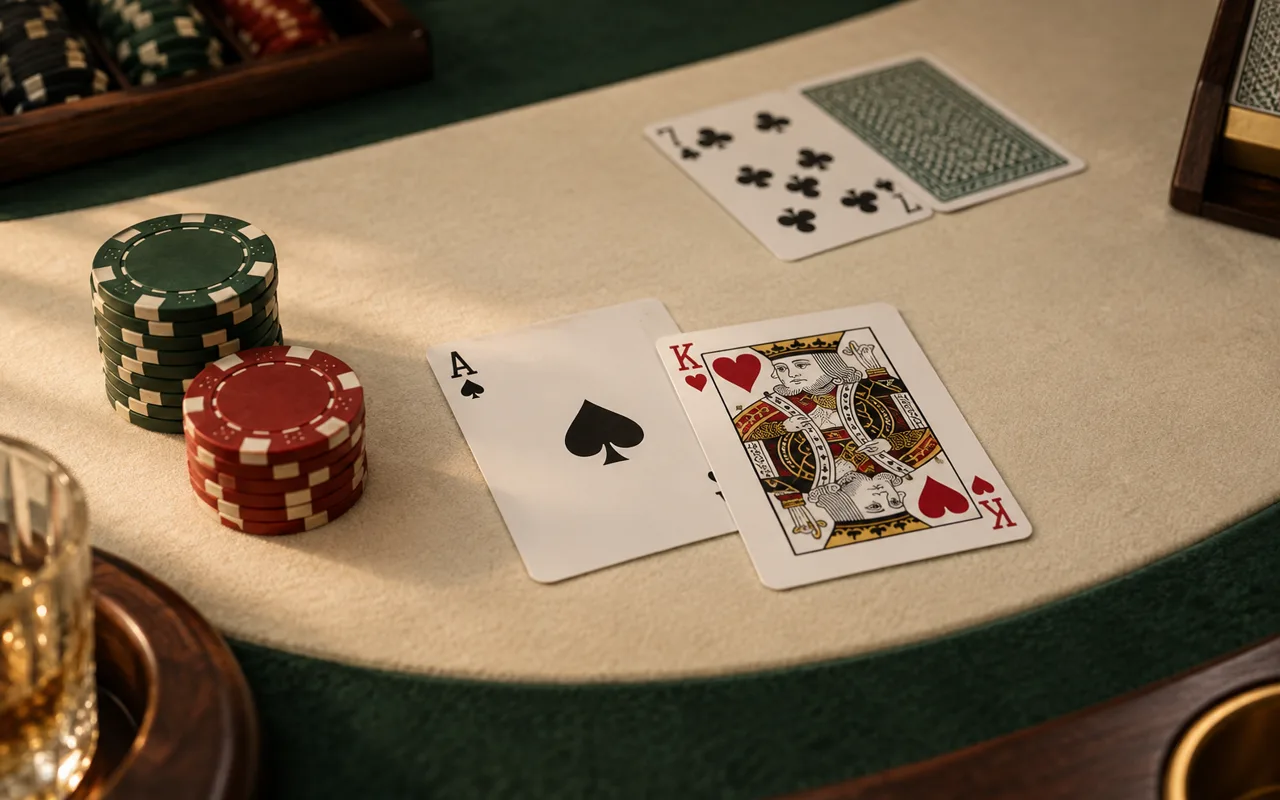
- Calling any 21 a blackjack. Only an ace and a 10-value card as the first two cards is a natural. A 21 after a split or with three cards pays even money.
- Expecting another card after doubling. A double gives you exactly one card.
- Resplitting when only one split is allowed. In this ruleset, a split hand cannot be split again.
- Taking more than one card on split aces. Each split ace gets one card and then stands.
- Ignoring the payout. A 3:2 natural pays 15 on a 10-unit bet. A 6:5 table pays 12.
Table habits
- Touching your bets after the deal. Chips stay where they are once cards are dealt.
- Using the wrong signals. At a face-up table the usual signals are tapping the table for a hit and waving your hand flat for a stand. Follow the table’s rules.
- Chasing losses. Setting a limit before you play and keeping to it matters more than any single decision.
- Comparing with other players. Only your hand against the dealer’s counts.
Sources & review
Suggest a correctionContinue learning
Similar games
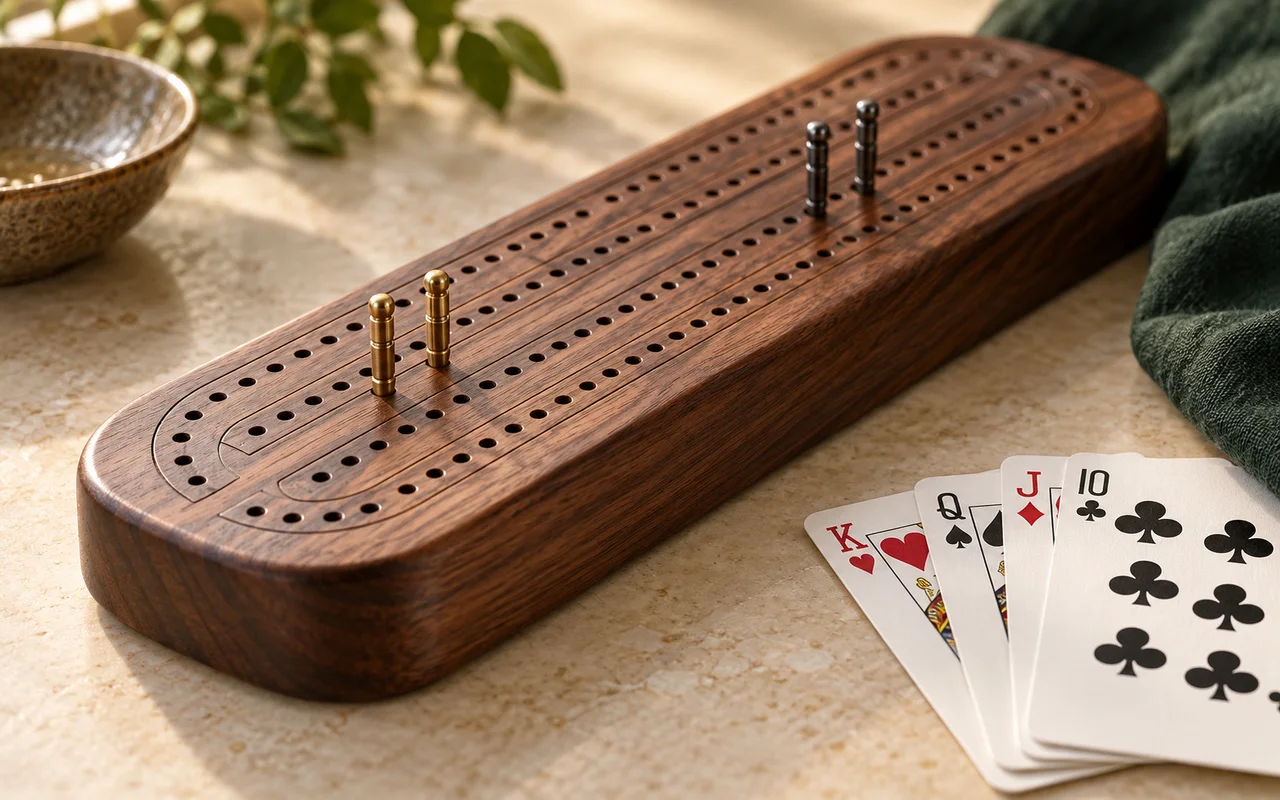
Cribbage
Cribbage rules for two players, with three- and four-player variants: the deal, the crib, the go, and scoring — fifteens, pairs, runs, the 29 hand, skunks and muggins.
Also known as Crib
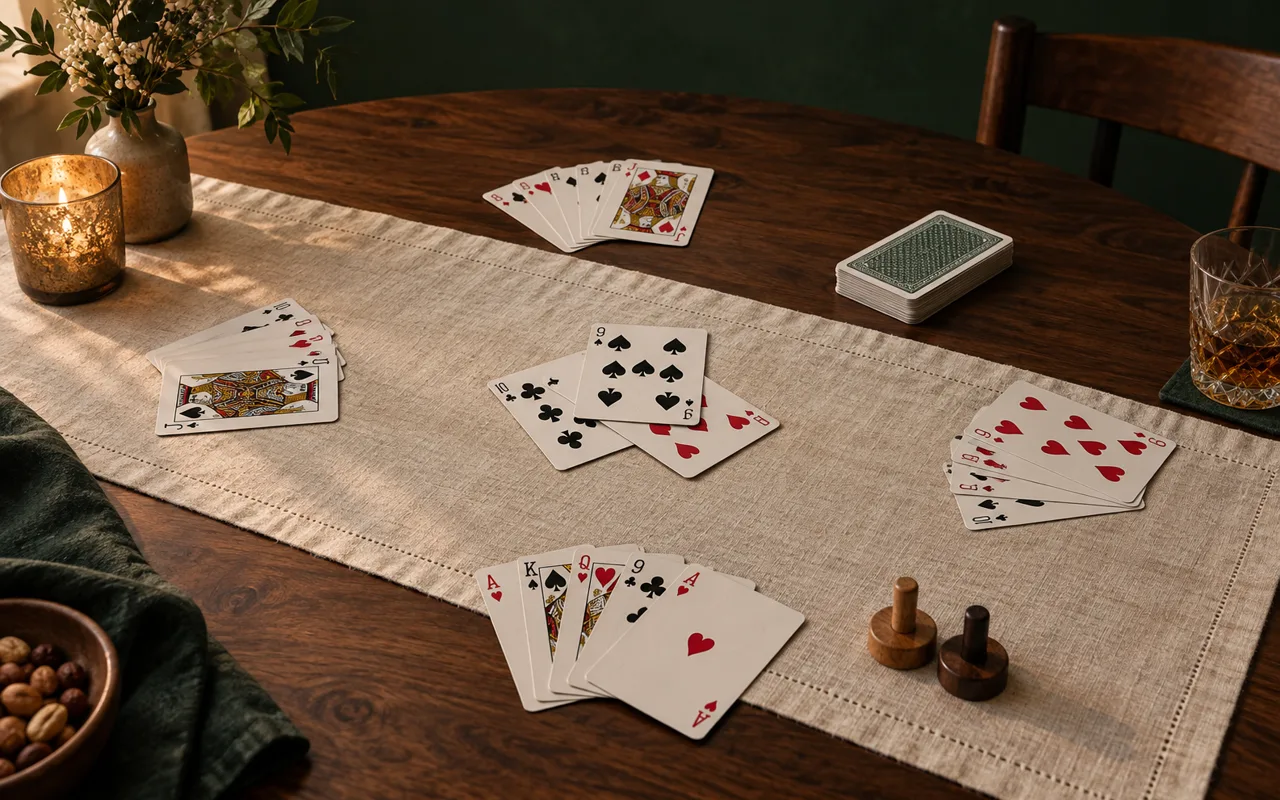
Euchre
North American Euchre rules for four players: the 24-card deck, choosing trump, right and left bowers, following suit, going alone and scoring to 10.
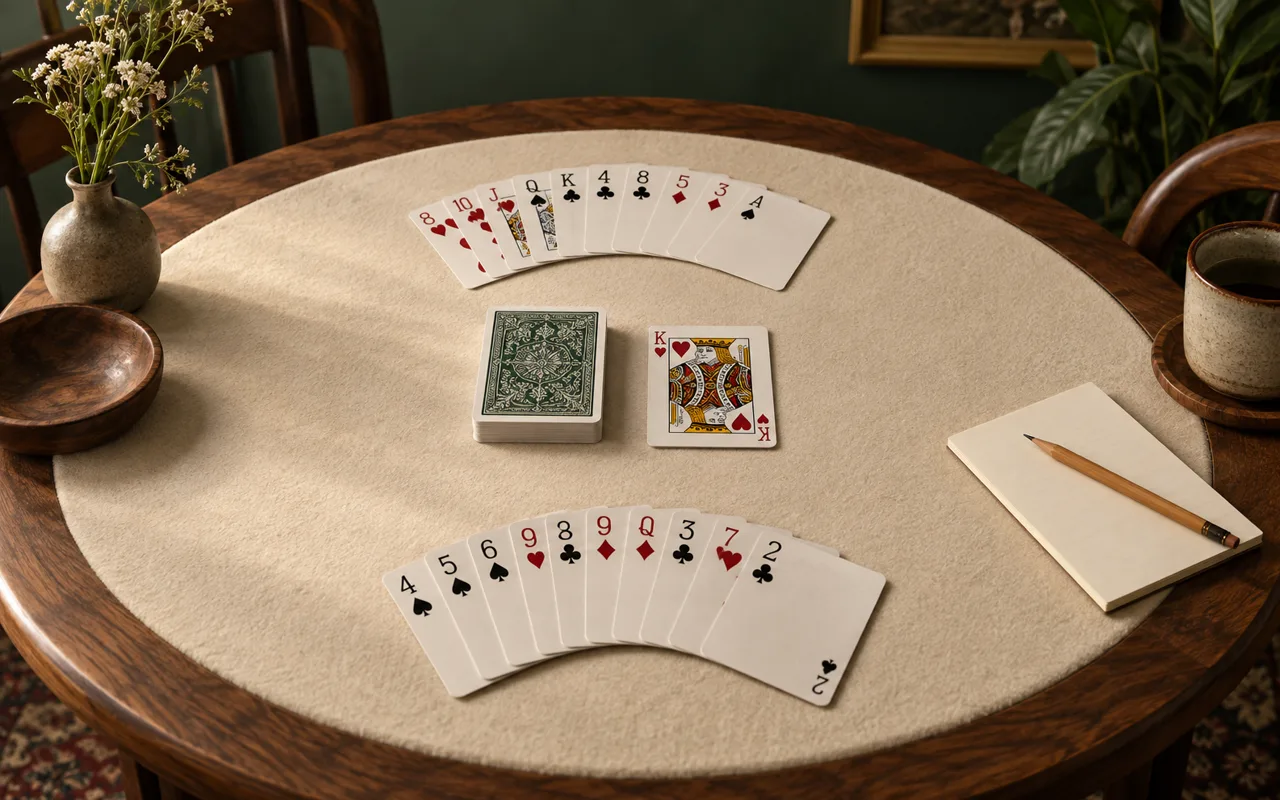
Gin Rummy
Gin Rummy rules for two players: ten-card hands, sets and runs, deadwood, knocking, laying off, going gin, undercuts and scoring a match to 100.
Also known as Gin